See The Sea (1997)
There's a Stranger In My House
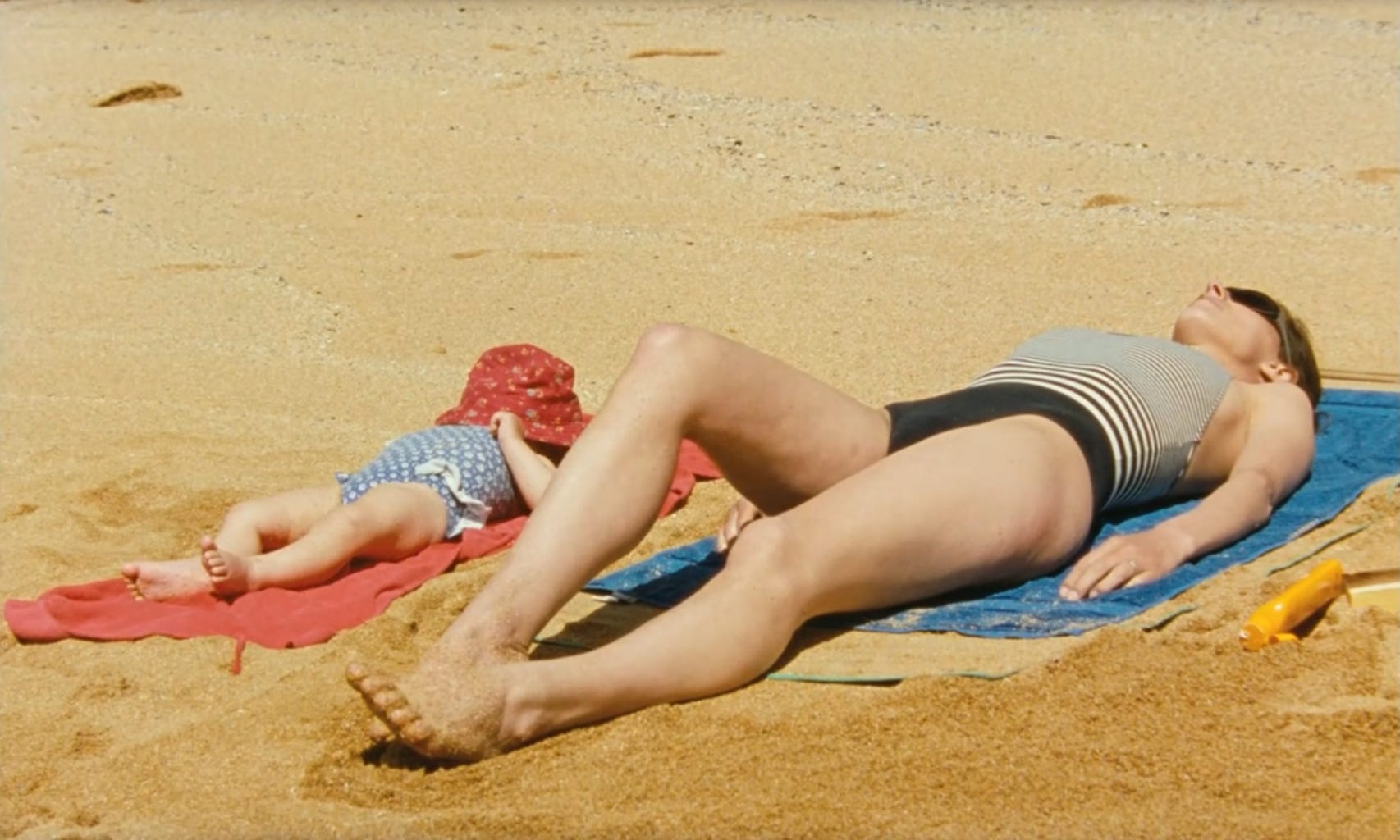
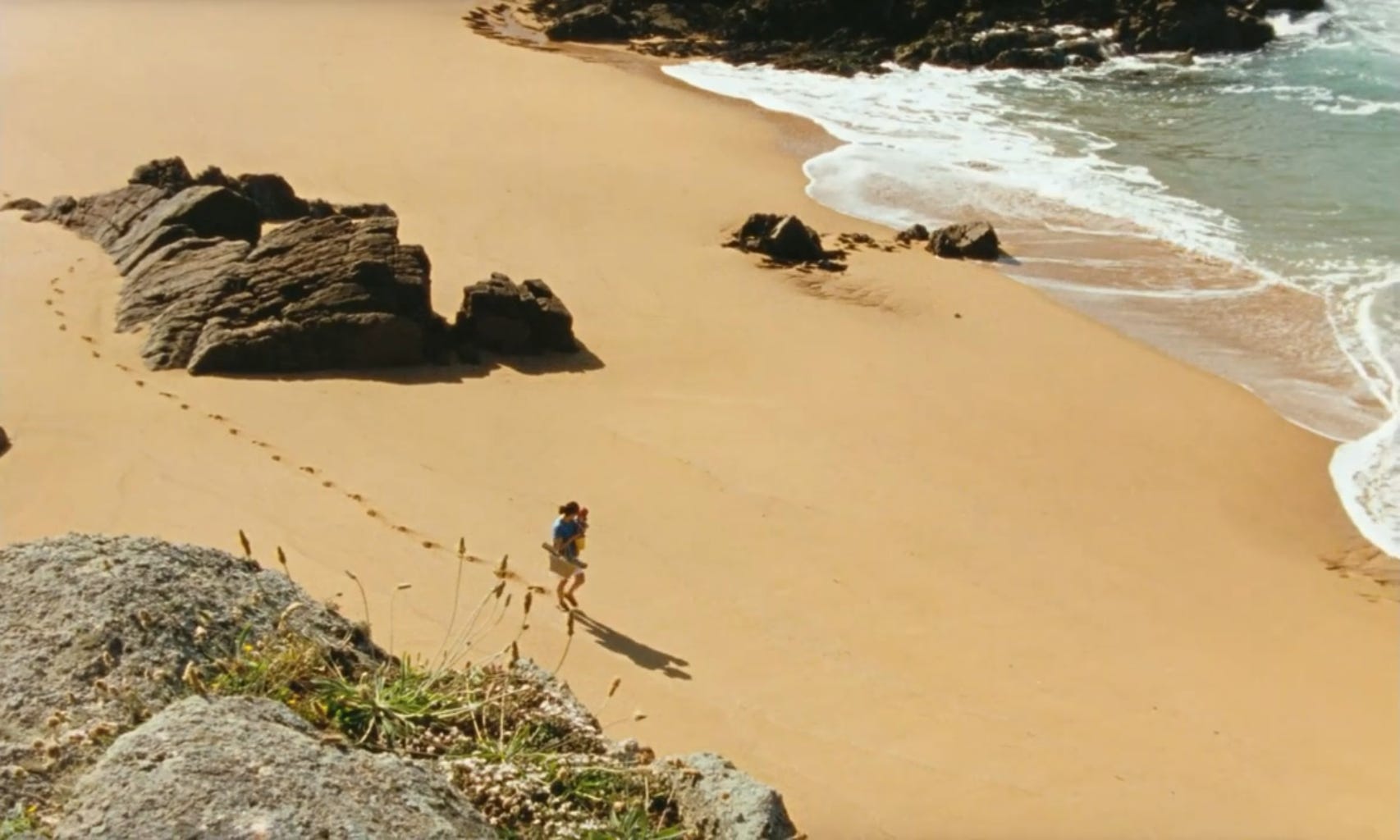
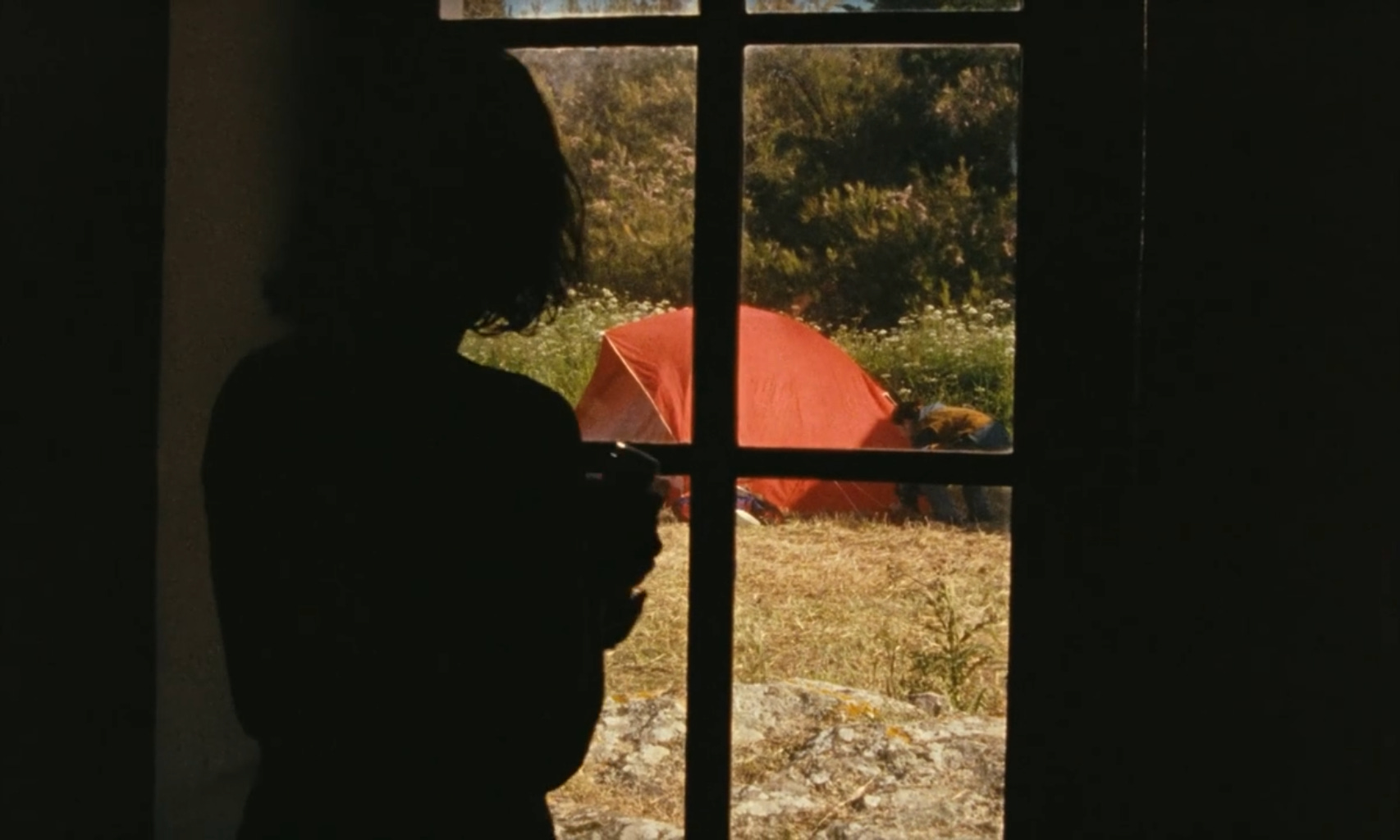
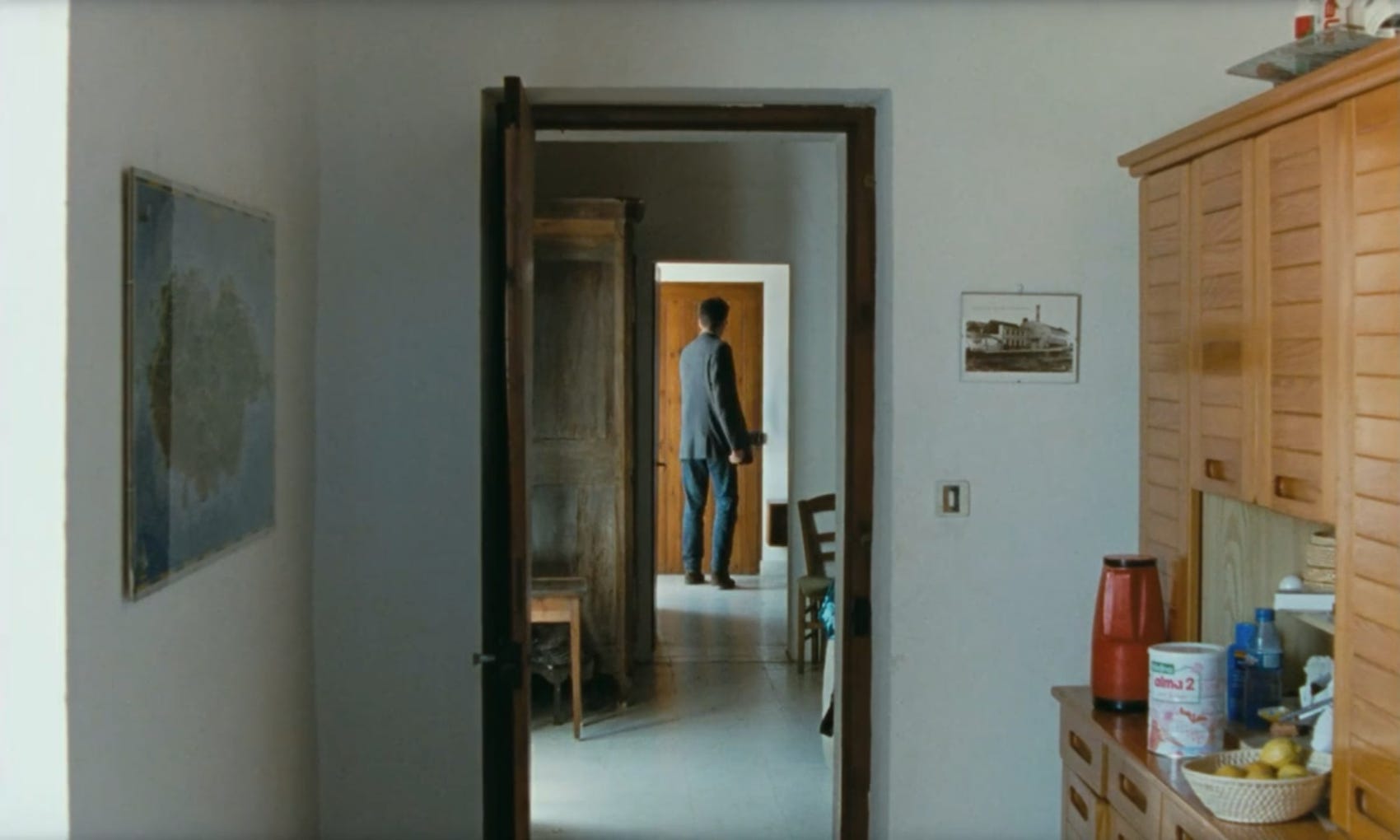
From the first few idyllic frames of François Ozon’s See the Sea, I was reminded that I am long overdue for a vacation. I know of the healing powers of a long swim in the ocean, a nap that leaves your cheeks rosy because you forgot to reapply your Supergoop! and the rewiring of your brain that can happen when it’s not bogged down by the click of Slack notifications and emails (Opens Google Flights). Through soft vignettes, we are invited into the lovely seaside home and life of Sasha and her husband, who works in Paris while she cares for their infant daughter, Siofra. He is heard mostly through phone calls squeezed into his busy schedule. When a backpacker, Tatiana arrives asking to camp on their front lawn, Sasha seems at first confused and then open-minded, assuming it will be a short stay, and perhaps some company could be nice.

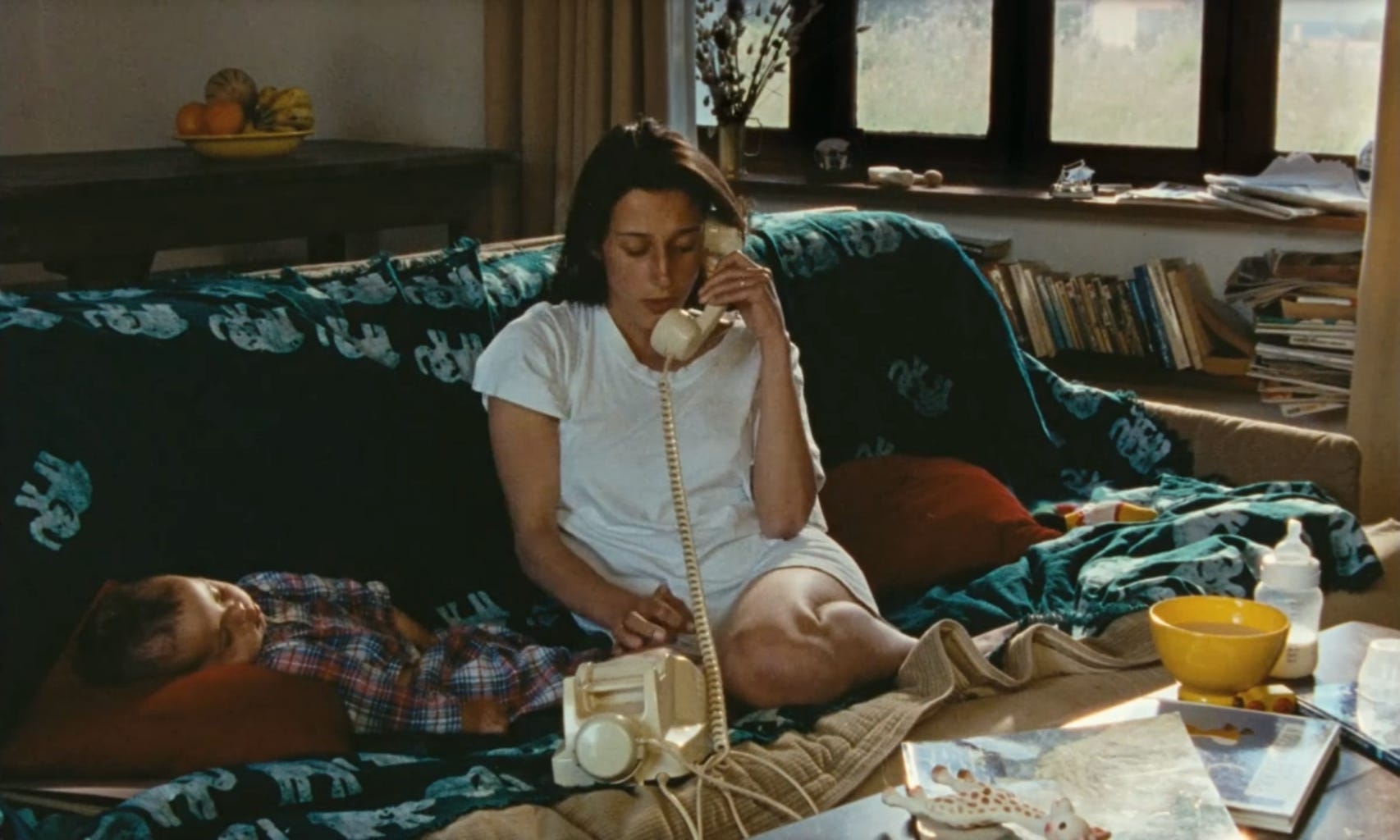
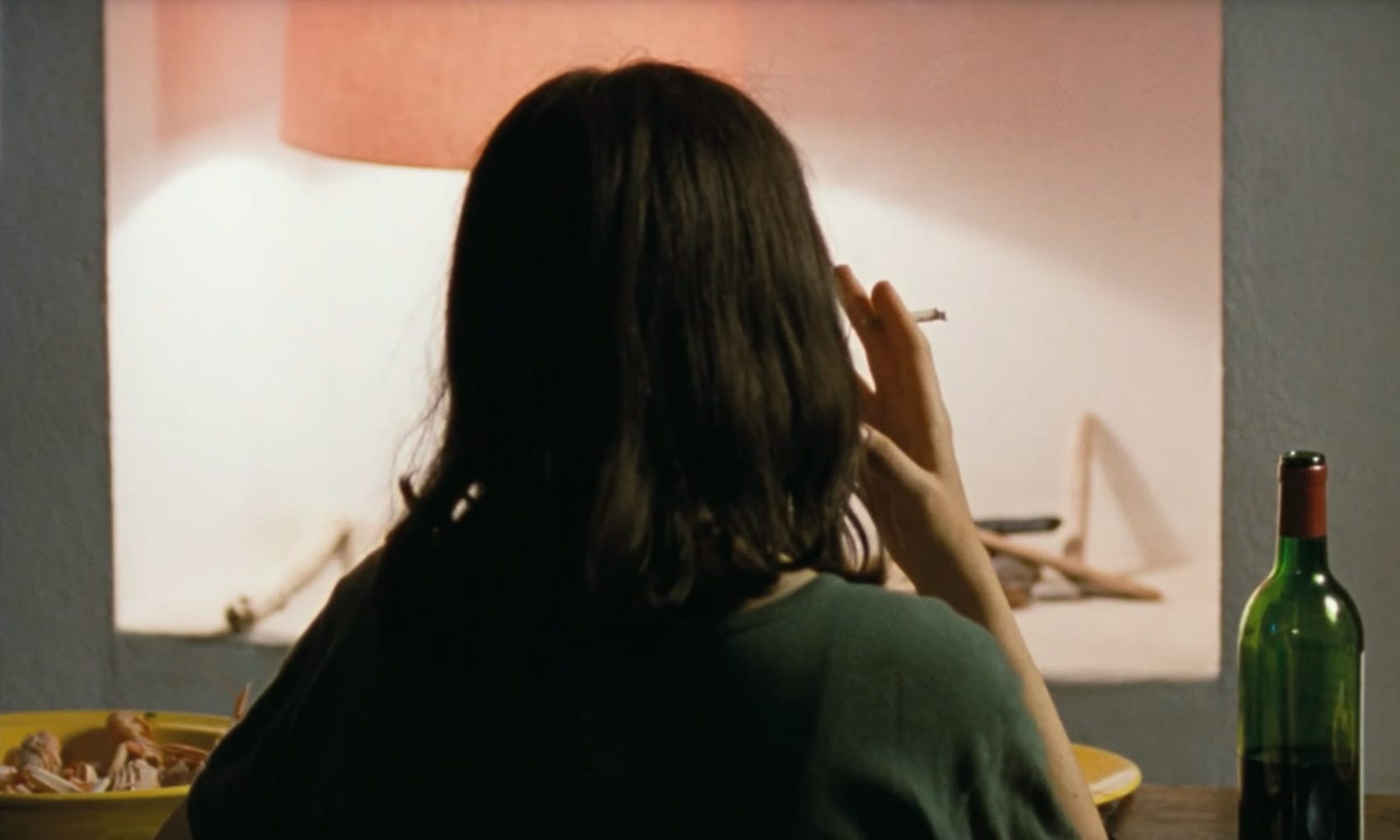
A natural caretaker, Sasha welcomes her unexpected guest inside for dinner. Over a simple meal, Sasha gently probes her in conversation, intrigued by this woman’s need to constantly travel alone, and her seeming detachment about most things. She leans in, finally asking,
“Don’t you get scared?”
Deadpan, Tatiana replies with a smirk, “No, I do the scaring.”
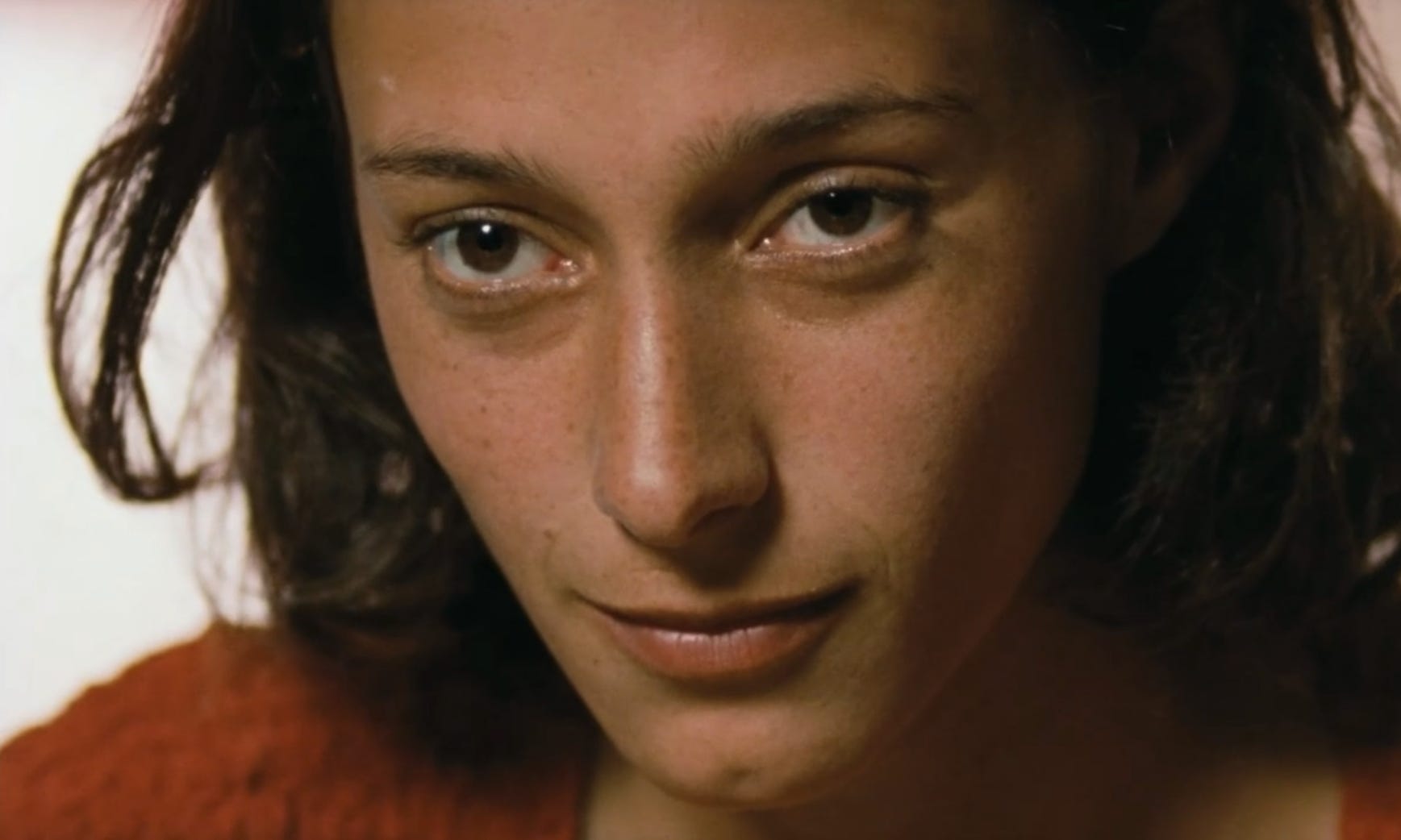
Sasha laughs politely and warmly, but the mood shifts a few moments later when Tatiana licks her plate, hungrily, almost animal-like. I felt a little scared myself, sensing that this guest was more than just a little awkward. Tatiana gradually reveals she is far from a grateful camper and something far more menacing and calculating. Her eyes carry a blankness, edged with a subtle disgust and contempt for her unsuspecting doting host.
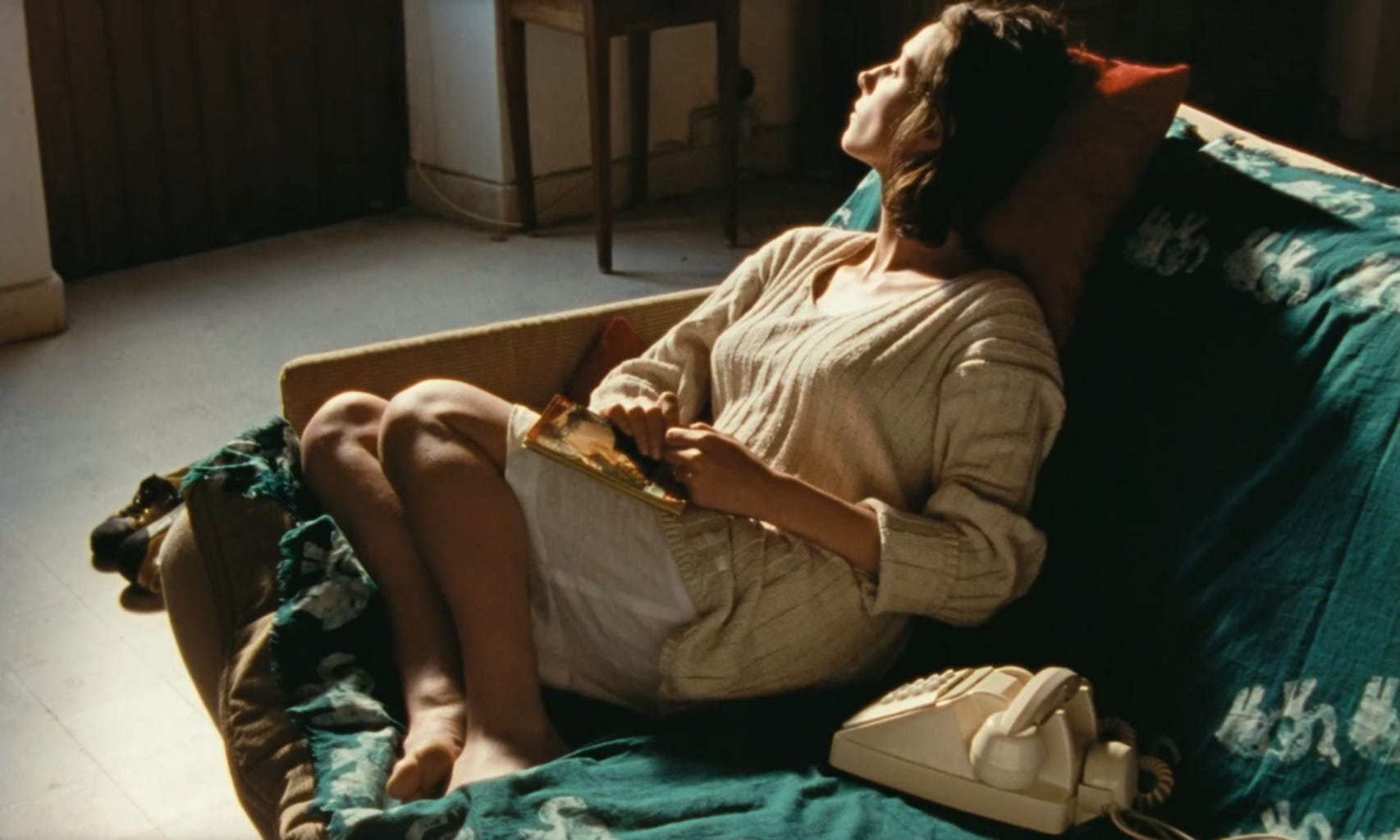
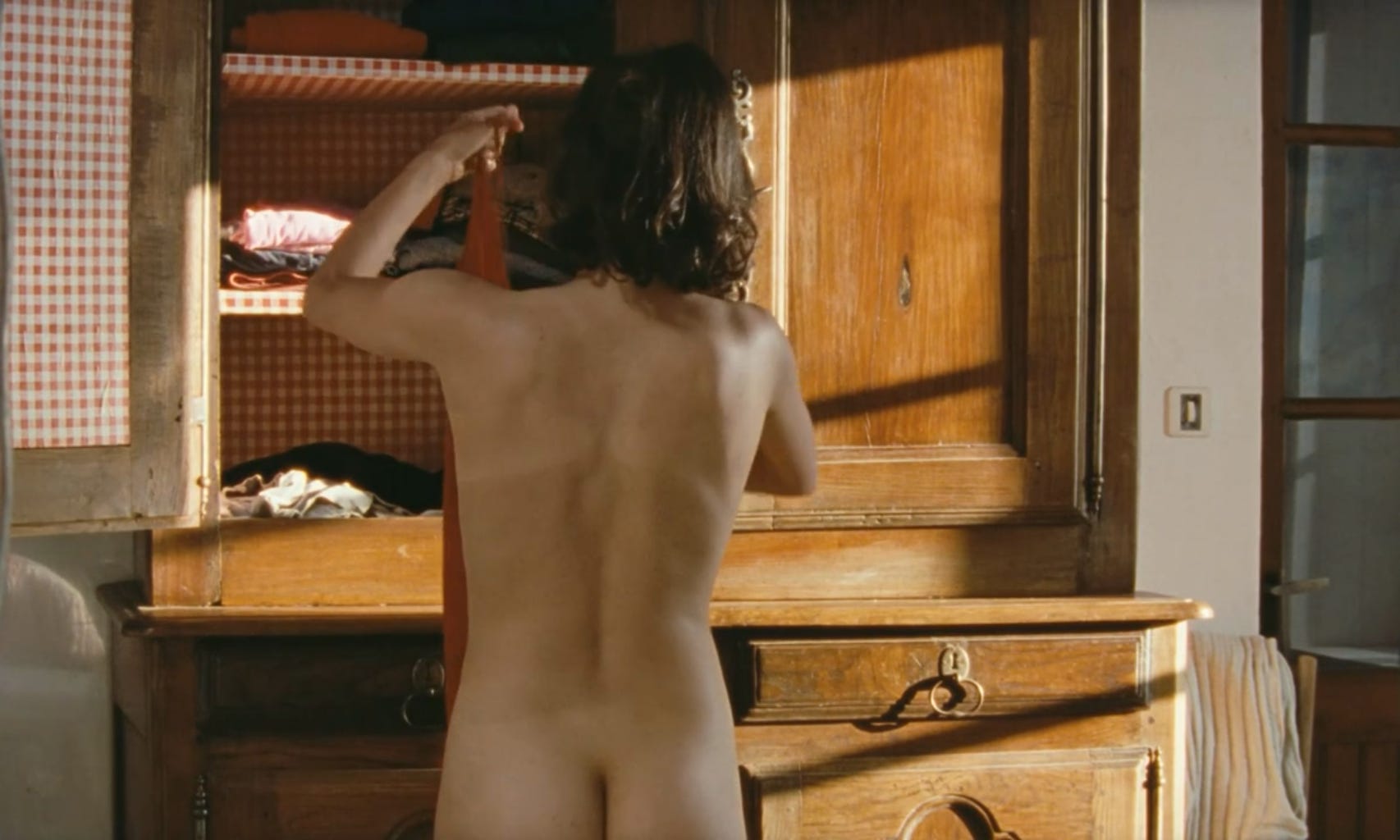

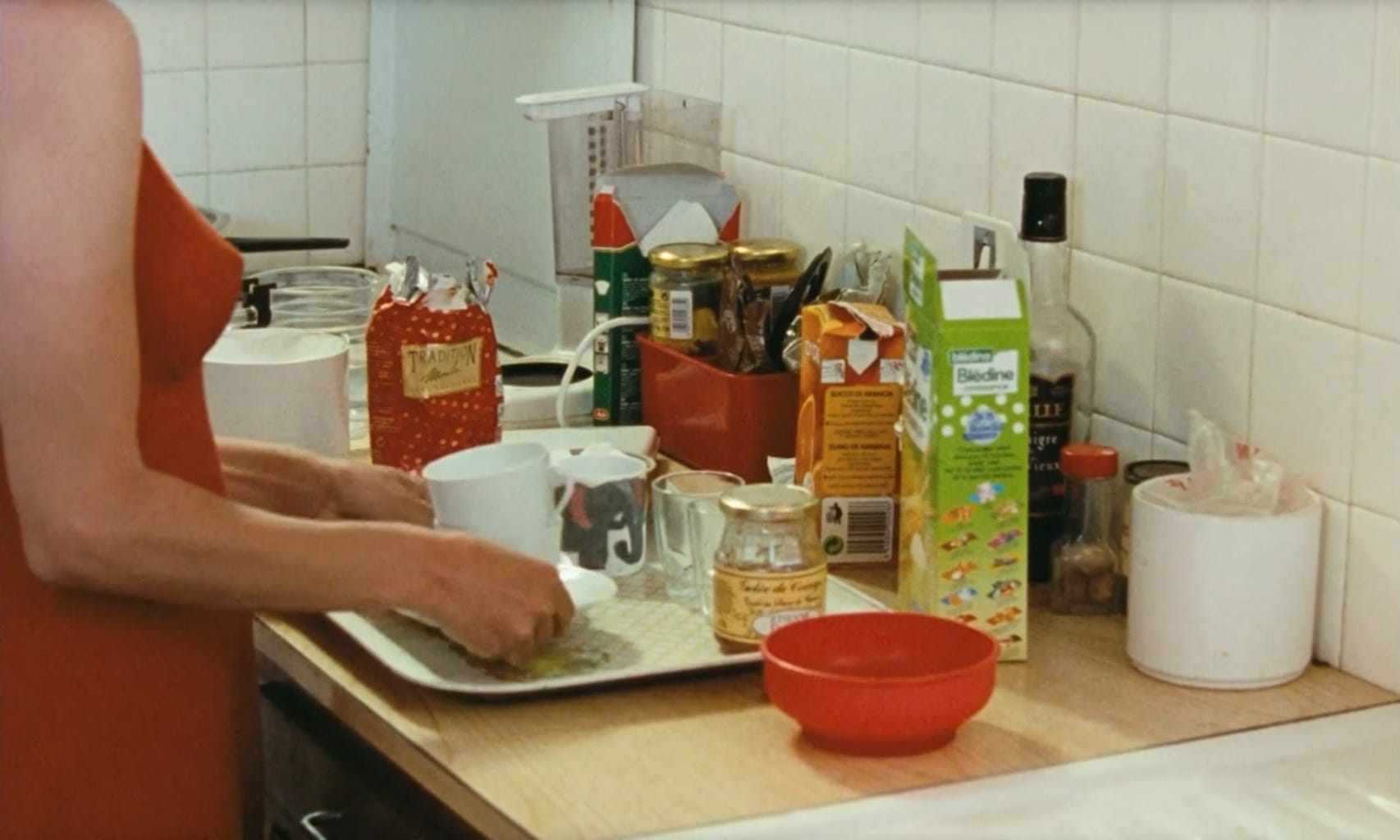
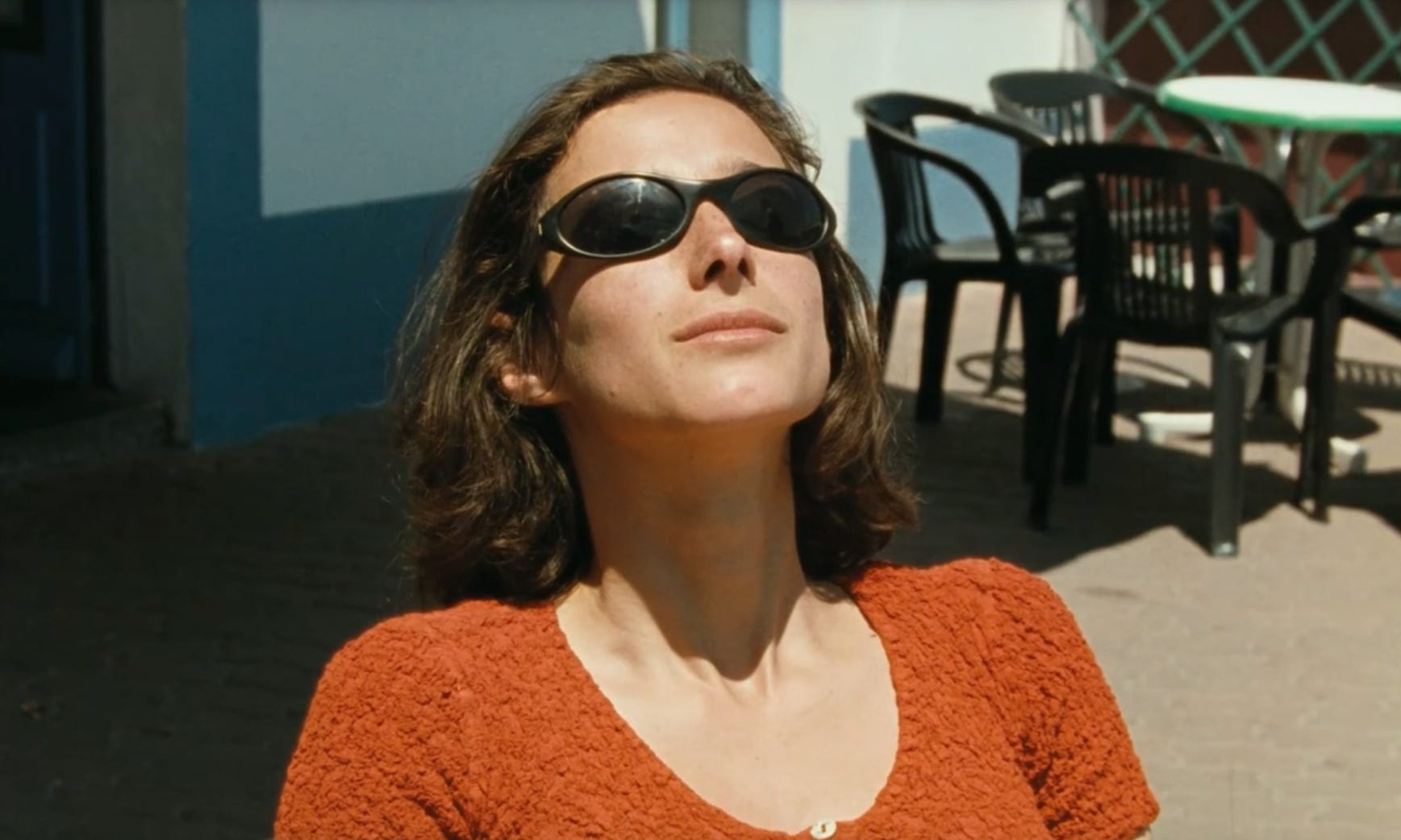
Sasha seems uneasy in her singular role as mother. She yearns to be desired, to be touched, and understood by someone else. Tatiana’s arrival seems to awaken memories of her younger self who was less inhibited, and more impulsive. Her life now is beautiful, but quiet, and predictable. One balmy afternoon, she slips on a curve hugging dress and bikes away to the city to have a solitary drink. The camera lingers as she slowly tilts her head back, soaking in the moment and chasing the feeling that she’s been missing. You can almost feel the sun on your face too. The next day she has an encounter with a stranger while her daughter naps on the beach, a fleeting act that feels less like rebellion and more like an attempt to remind herself she still exists.
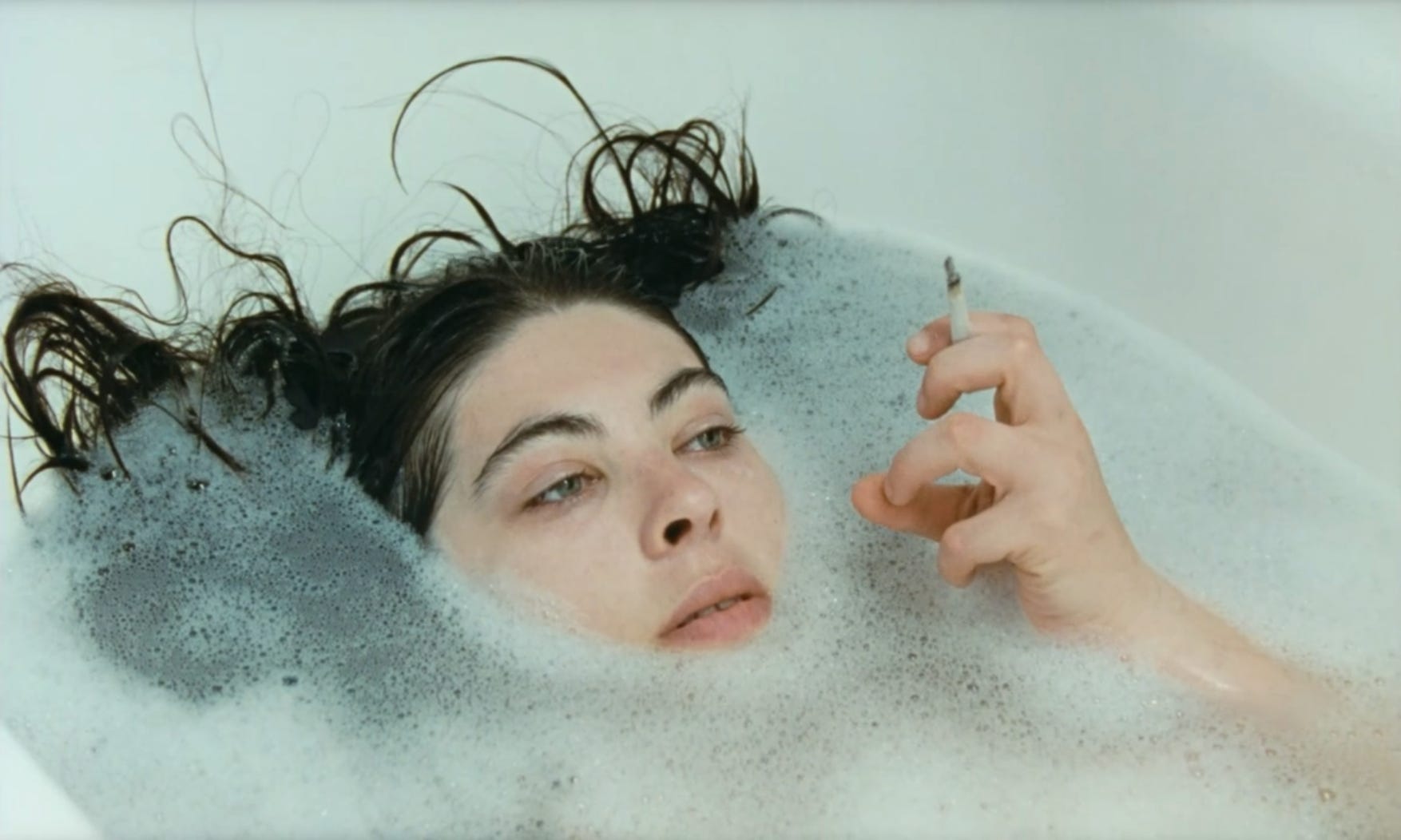
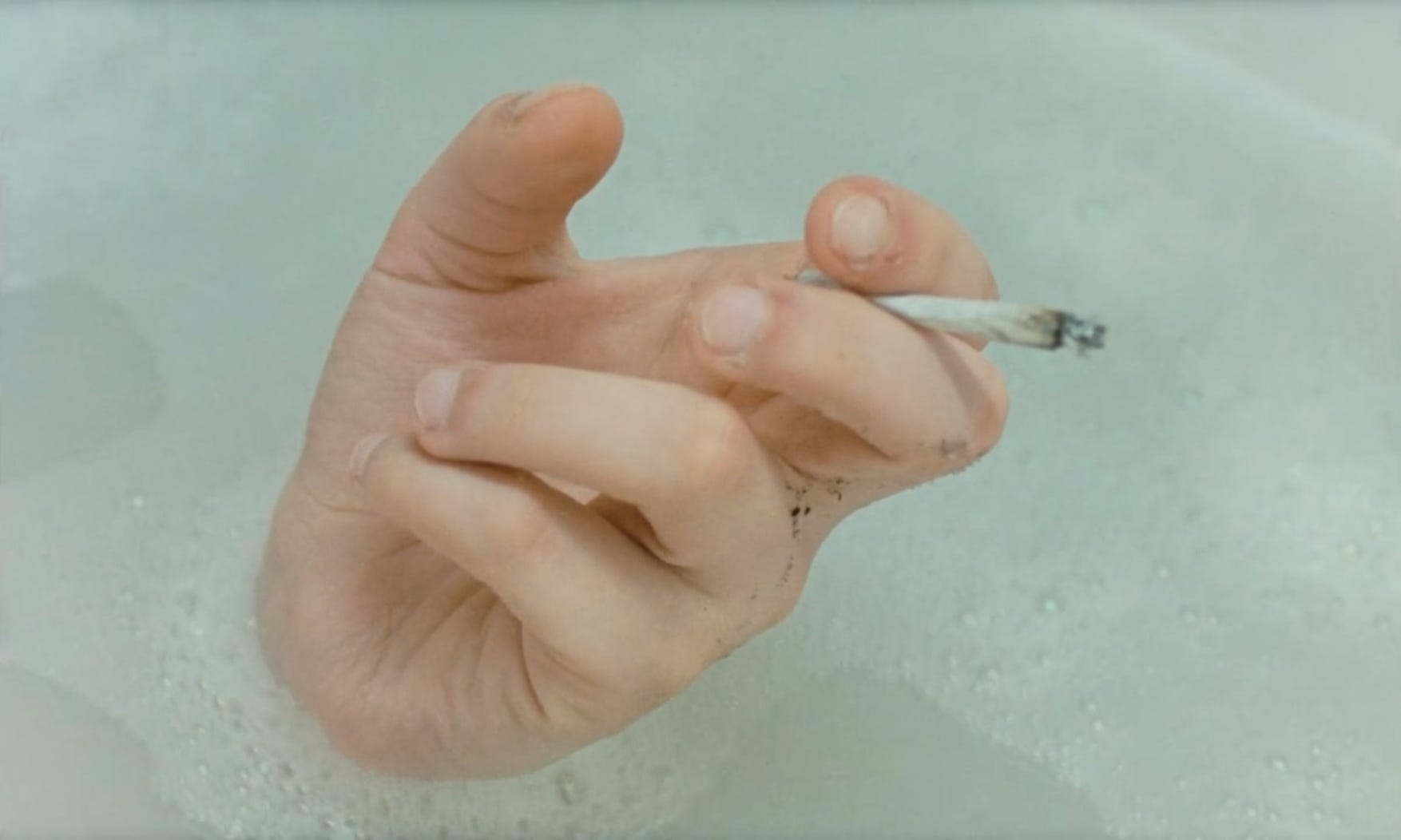
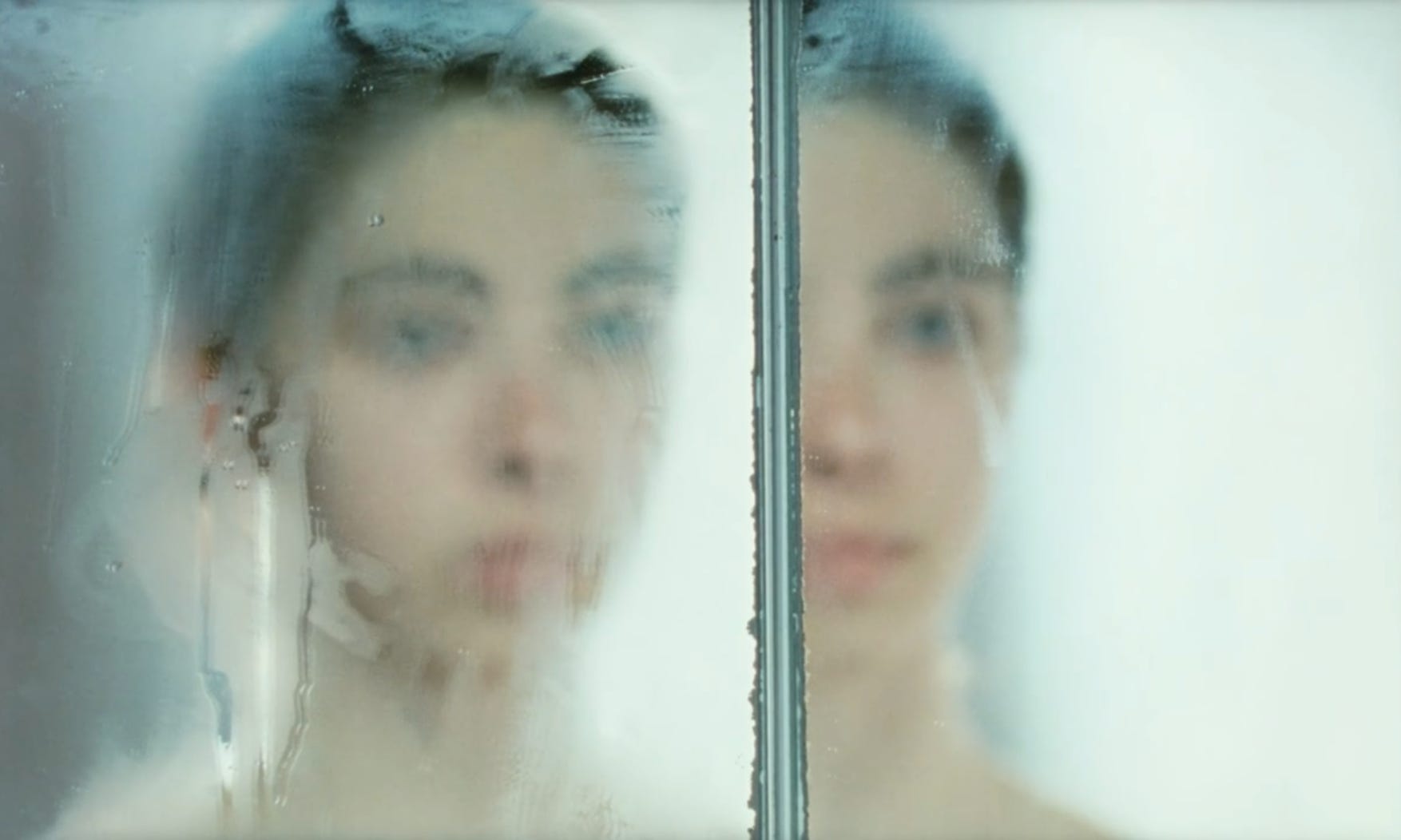
Tatiana and Sasha’s interactions slip between tender and tense with Tatiana increasingly making Sasha uncomfortable. Yet she cannot help but be continue to be hospitable in the ways women are taught to be, much to her own demise. Clocking in at less than an hour run time, See the Sea unfolds with quiet precision and what starts as domestic bliss unfolds into a darker fable. A reminder of how politeness can veer into danger and a slow erosion of safety through ignoring the signs. In the end I was left with not only with the shock of its final moments but how often trust can fail you.

I recently bookmarked this tweet which now seems apropos